

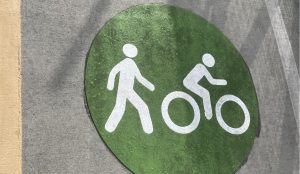
Citywide Bicycle and Pedestrian Plan (CBPP) Update
Jump To....
- What is the San Rafael Citywide Bicycle and Pedestrian Plan?
- How to Provide Input
- Walking and Rolling Existing Conditions
- Maps of Existing Conditions
- Plan Resources
Subscribe to receive email updates about this project!
Project Contact
What Is the San Rafael Citywide Bicycle and Pedestrian Plan?
The City of San Rafael is currently updating its Citywide Bicycle and Pedestrian Plan (CBPP), which was last updated in 2018. The updated plan will serve as a roadmap for improving walking, biking, and rolling in San Rafael over the next 5-10 years. It is an opportunity to reaffirm community priorities, analyze new data, and incorporate the latest trends and best practices. Our goal is to make San Rafael safer, more accessible, and more connected for everyone, whether you're walking to school, biking to work, or using a mobility aid.
The CBPP update process is expected to last 12-14 months, with various opportunities for community members to get involved and provide input. See below for more information and to sign up for the project electronic mailing list to receive updates and notifications regarding the plan update.
What's New
This summer, we studied what our community needs to make walking and biking safer and easier in San Rafael. We looked at:
- Current conditions on our streets and paths, land uses, and collision history data
- Recently adopted city and regional plans and policies (such as the LRSP)
- Feedback gathered from residents during our community meetings and online outreach from April through June, 2025
Based on what we learned, we identified networks that would allow people to walk, bike, and roll to work, school, shopping, transit, and other daily destinations. We then created a list of infrastructure projects for new multi-use paths, sidewalks, bike lanes, and crossing improvements throughout the city, and used your feedback to create prioritization criteria for evaluating which projects should be implemented first.
The result of this analysis are draft pedestrian and bicycle networks, and a draft list of the top 20 projects the City may focus on in the coming years to make our paths and streets work better for everyone.
Plan Goals
The CBPP update is guided by several goals that are based on shared community values, the City’s priorities, and best practices in other nearby jurisdictions. The goals were shaped by community feedback as part of the project’s Phase 1 Engagement and helped identify the highest priority projects. The CBPP goals are as follows:
- Connectivity: Strive to ensure equitable local and regional access by improving cohesive active transportation connections to transit, schools, and other daily destinations.
- Comfort: Commit to creating transportation systems that are accessible, dignified, and enjoyable for people of all ages and abilities, allowing them to travel without fear of harm.
- Implementation: Secure sufficient resources and funding on an ongoing basis to deliver progressive improvements that result in real, visible change in the City’s active transportation network.
- Vision Zero: Prioritize active transportation safety improvements through a Vision Zero approach that aims to eliminate traffic fatalities and serious injuries for all road users.
Project Timeline
| Spring 2025 | Existing Conditions, Challenges and Opportunities |
| Fall 2025 | Draft Active Transportation Network, Priority Projects and Programs |
| Spring 2026 | Adoption of Updated Citywide Bicycle and Pedestrian Plan |
We Want to Hear from You!
The City is soliciting input on draft pedestrian and bicycle project recommendations from October 20, 2025 through December 19, 2025. There are several ways to give us your feedback:
Give Input in Person
Give Input Online
The draft Pedestrian Priority Network was determined based on connectivity needs and level of pedestrian demand, and shows where the City will focus future pedestrian improvements. The draft biking/rolling network includes new connections to close gaps between existing and proposed bikeways. The Plan also includes improvements at signalized and unsignalized intersections to improve safety and comfort for people walking and biking/rolling.
All identified projects are prioritized based on the CBPP goals to identify which ones are the most important considerations to the City. The maps below shows the draft top 20 projects for walking and biking/rolling.
Access the interactive map to:
- Learn more about what is proposed
- Let us know if the proposed network provides access to where you need to go
- Tell us if we heard your project priorities correctly
Access Phase 2 interactive map here.
Phase 1 Engagement interactive map (closed for comments).
Need assistance providing input? Call us! (415) 485-3355
What is Walking and Rolling in San Rafael like today?
The City's consultant team is developing a technical analysis of existing conditions. We would also like to know if these findings align with your experience. Recommendations will be developed based on community input and detailed analysis. The following is an overview of San Rafael’s existing bike and pedestrian network, as well as other pertinent information relevant to the network. This information forms the basis of the plan.
Existing Pedestrian Project Types
San Rafael already has several types of pedestrian and bicycle infrastructure, each designed to improve safety and access. Here are some examples:
High Visibility Crosswalks with continental striping that are more visible to drivers.
Curb Extensions extend the sidewalk or curb line out into the roadway or parking lane, reducing the effective street width and crossing distance.
Rectangular Rapid Flashing Beacon (RRFB) installations at uncontrolled crossings to increase driver awareness of pedestrians at crosswalks. Pedestrians can activate the flashing signal with a button.
Pedestrian Hybrid Beacon (aka HAWK) is an intermediate option between a flashing beacon and full pedestrian signal. It helps pedestrians safely cross higher-speed roadways by assigning right of way and providing positive stop control.
Leading Pedestrian Intervals at signals provide pedestrians with an advanced walk phase before turning vehicles. This improves the visibility of pedestrians and reduces vehicle conflicts.
A recent example of pedestrian improvements is the installation of RRFBs at six of the most heavily used intersections in the Canal neighborhood, including across Canal Street at Bahia Way, which assists students and other pedestrians to safety travel between Bahia Vista Elementary School and the Pickleweed Community Center. Intersections along Third Street in downtown were also upgraded from transverse crosswalks to high visibility crosswalks in 2024.
Existing Bicycle Project Types
The following represent the five types of existing bikeways in San Rafael:
Class I Multi-Use Paths can be used by both bicyclists and pedestrians and are completely separate from the roadway.
Class II Bike Lanes are lanes that are painted on the street and can sometimes include a painted buffer from vehicle lanes.
Class III Bike Routes are shared lane bikeways that are not accompanied by speed calming measures and are indicated by signage and/or bicycle stencils called ”sharrows”; they may have higher vehicle volumes and speeds than bike boulevards.
Class III+ Bike Boulevards are shared lane bikeways accompanied by traffic calming measures such as speed humps.
Class IV Separated Bikeways are on-street bikeways with vertical, physical separation from the adjacent lane; these are most common on higher-speed roadways.
The City has continued to improve its bike network using the 2018 CBPP as a guide. Examples of recent improvements include new Class IV separated bikeways on Francisco Boulevard West between Second Street and Rice Drive and on Grand Avenue from Second Street to Fourth Street. These new bikeways increase bicyclists’ comfort by providing a dedicated space that is physically separated from traffic.
Maps of Existing Conditions
Plan Resources
Here you can find the 2018 CBPP, as well as presentations and documentation from this update process. More will be posted as the Plan update gets underway.


